Mombasa: A Coastal Gem of Kenya
Mombasa, a vibrant coastal city in southeastern Kenya, is renowned for its pristine beaches, rich history, and diverse culture. With its blend of Arabic, Indian, Portuguese, and African influences, Mombasa offers a unique and unforgettable experience.
Top Attractions:
Diani Beach: Perfect for relaxation, kitesurfing, Mombasa Marine National Park: Dive into the crystal-clear waters of this marine park and discover a vibrant underwater world. Snorkel or scuba dive among colorful coral reefs, encounter a variety of marine life and explore shipwrecks
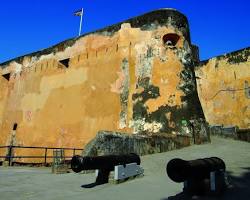
Fort Jesus: A Historic Treasure of Mombasa
Fort Jesus, located in the coastal city of Mombasa, is a UNESCO World Heritage Site and one of Kenya’s most iconic historical landmarks. Built by the Portuguese in 1593 to guard the Old Port of Mombasa, the fort’s architecture reflects European, Arab, and African influences. Over centuries, it changed hands between the Portuguese, Arabs, and British, symbolizing the region’s turbulent colonial history.
Today, Fort Jesus houses a museum showcasing artifacts, ancient cannons, and ceramics from shipwrecks. Visitors can explore its thick walls, winding passages, and scenic views of the Indian Ocean, offering a glimpse into Kenya's rich past. A visit to this historic fort is a must for history enthusiasts and cultural travelers alike, check out this site for more info.
Old Town:
Wander through the charming streets of the Old Town, where Swahili architecture and vibrant markets create a unique atmosphere. Discover historic mosques, Hindu temples, and bustling bazaars selling everything from spices and handicrafts to fresh seafood.
Haller Park:
This former cement quarry has been transformed into a thriving wildlife sanctuary.
Explore the park's diverse ecosystems, encounter giraffes, zebras, and crocodiles, and learn about conservation efforts.
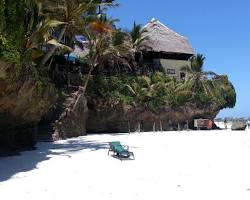
Nyali Beach:
Relax on the pristine sands of Nyali Beach, one of Mombasa's most popular stretches of coastline. Enjoy water sports, sunbathe, or simply soak up the idyllic atmosphere.
.jpg)
.jpg)
Beyond the Beaches
Mamba Village: Visit this crocodile farm and learn about these fascinating reptiles.
Wild Waters: Enjoy thrilling water slides and rides at this water park
Malindi and Watamu: Marine parks ideal for snorkeling and diving.
Mombasa Butterfly House: Explore a colorful sanctuary filled with butterflies from around the world.Mombasa offers a captivating blend of history, culture, and natural beauty. Whether you're seeking adventure, relaxation, or a cultural experience, this coastal city has something to offer everyone.
Exploring the Masai Mara
A Jewel of African Wildlife and Culture
The Masai Mara, a world-renowned safari destination in Kenya, is one of the most iconic wildlife reserves on the planet. Spanning approximately 1,510 square kilometers, this vast savanna is part of the greater Serengeti ecosystem and is famous for its stunning landscapes, abundant wildlife, and rich cultural heritage. Whether you’re an avid photographer, a wildlife enthusiast, or simply someone seeking a once-in-a-lifetime adventure, the Masai Mara offers an unforgettable experience.
The Wildlife of Masai Mara
The Masai Mara is often referred to as "The Kingdom of Lions" due to the large population of lions that roam the area. In fact, the Mara is home to the Big Five—lions, elephants, leopards, buffaloes, and rhinos—which make it one of the most sought-after destinations for game viewing.
Apart from the Big Five, the Masai Mara is home to countless other species, including giraffes, cheetahs, hyenas, zebras, wildebeests, and a variety of antelopes such as impalas and topis. The Mara’s rivers are filled with hippos and crocodiles, making it a perfect ecosystem for nature lovers and researchers alike.
The Great Migration: A Natural Wonder
The Masai Mara is perhaps most famous for the annual Great Migration, one of the most dramatic natural events in the world. Each year, millions of wildebeests, accompanied by zebras and gazelles, make the treacherous journey from Tanzania’s Serengeti to the Mara in search of fresh grazing land. This migration, which typically occurs between July and October, involves dangerous river crossings where animals face threats from predators and the fast-flowing waters of the Mara River.
Watching this migration is an awe-inspiring experience, and it’s one of the primary reasons travelers flock to the Masai Mara.
The People: Meet the Maasai
In addition to its wildlife, the Masai Mara is also home to the Maasai people, a semi-nomadic ethnic group known for their distinctive culture and traditions. The Maasai have coexisted with the wildlife of the Mara for centuries, and their relationship with the land and animals is deeply rooted in their way of life.Visitors to the Masai Mara have the opportunity to visit Maasai villages, where they can learn about traditional Maasai customs, crafts, and dances.
The vibrant beadwork and iconic red shukas (traditional clothing) of the Maasai people are known worldwide. Interacting with the Maasai can provide valuable insights into how indigenous communities have managed to thrive in harmony with nature.
Best Time to Visit the Masai Mara
While the Masai Mara offers incredible wildlife viewing year-round, the best time to visit is during the dry season (July to October) when the Great Migration takes place. During this time, the weather is mild, the grass is shorter, and animals are easier to spot.
The months of January and February are also popular for visitors looking to experience the birthing season, where many animals give birth to their young. This period often attracts predators, making it an exciting time for witnessing dramatic wildlife encounters.
Activities in the Masai Mara
Visitors to the Masai Mara can engage in a wide range of activities, including:
Game Drives: The most popular way to explore the Masai Mara, game drives allow you to witness wildlife up close. Early morning and late afternoon drives are particularly rewarding.
Hot Air Balloon Safaris: For a truly unique perspective, you can take a hot air balloon ride over the savannah at sunrise, offering breathtaking views of the landscape and wildlife below.
Walking Safaris: Guided walking safaris provide a more intimate experience of the Mara’s flora and fauna, allowing you to learn about smaller creatures and the ecosystem in greater detail.
Cultural Tours: Visiting a Maasai village to learn about their culture, traditions, and way of life is a highlight for many visitors.
Bird Watching: The Mara is home to over 470 species of birds, including the African fish eagle, lilac-breasted roller, and grey-crowned crane, making it a birdwatcher's paradise.
- Conservation Efforts in the Masai Mara
Preserving the delicate balance between wildlife, tourism, and the Maasai people is a constant challenge in the Masai Mara. Several conservation organizations are working tirelessly to protect the region’s wildlife from poaching and to promote sustainable tourism practices that benefit the local communities.
Eco-friendly lodges and camps within the reserve are also part of the conservation efforts, offering sustainable accommodations that minimize environmental impact while providing an authentic safari experience. Many of these lodges contribute directly to community development and wildlife protection projects.
Conclusion
The Masai Mara is more than just a wildlife reserve; it is a symbol of Africa’s natural beauty, cultural richness, and the timeless relationship between humans and the environment. Whether you are witnessing the Great Migration, exploring the savannah on a game drive, or learning about the traditions of the Maasai people, the Mara offers a deep and transformative connection to the wild.
For anyone seeking adventure, serenity, and a deeper understanding of Africa’s rich heritage, a visit to the Masai Mara is a must
Exploring Chalbi Desert, Kericho, and Lake Turkana A Taste of Kenya’s Diversity
Kenya offers an incredible blend of landscapes, from arid deserts to lush tea fields and vast lakes. The Chalbi Desert near Marsabit is a stunning expanse of barren beauty, perfect for adventure seekers craving solitude and surreal landscapes.
Lake Turkana: Known as the Jade Sea for its striking color.
the world’s largest desert lake, offers breathtaking views, rich cultural heritage, and wildlife, making it a must-see for explorers.
These destinations reflect Kenya's diverse charm, catering to adventurers, nature lovers, and cultural travelers alike.
Kericho in the highlands showcases a different side of Kenya, with rolling tea plantations and cool, misty weather—ideal for nature lovers and tea enthusiasts.
Conclusion
Experience the Best of Kenya's Beauty
From the coastal charm of Mombasa to the lush tea fields of Kericho, Kenya offers incredible diversity. Explore the vast wilderness of the Masai Mara, witness the rugged beauty of Lake Turkana, and immerse yourself in the vibrant cultures along the way. Whether you're drawn to beaches, wildlife, or scenic landscapes, Kenya promises an unforgettable adventure at every turn.
"Start your adventure today—watch our free video and discover the beauty of Kenya!"

.jpg)
.jpg)
.jpg)
.jpg)
.jpg)
.jpg)
.jpg)
.jpg)
.jpg)


.jpg)


.jpg)
.jpg)
.jpg)
.jpg)
.jpg)
.jpg)
.jpg)
.jpg)
.jpg)
.jpg)
Comments
Post a Comment